
unconventional coping skills for anxiety
Anxiety is a pervasive challenge, with research indicating a rise in its prevalence among teens and young adults. While traditional methods like deep breathing and meditation are valuable, exploring unconventional coping skills can offer fresh perspectives and effective relief. These less common techniques often leverage the body-mind connection, engage different parts of the brain, or provide unique forms of distraction and processing.
Many unconventional coping skills focus on engaging the parasympathetic nervous system, which is responsible for the "rest-and-digest" response, to counteract the "fight-or-flight" activation of the sympathetic nervous system during anxiety. This can involve somatic (body-based) techniques or sensory inputs that signal safety to the brain.
Body-Based and Sensory Techniques
Several unique approaches utilize physical actions or sensory experiences to calm anxiety:
Polyvagal Movement: This involves specific head and eye movements designed to activate the vagus nerve, a key component of the parasympathetic nervous system. For example, tilting your head to one side and looking in the opposite direction for 30-60 seconds can induce a sense of calm.
Shaking or Jumping: When the nervous system is in a "fight or flight" state, allowing the body to complete its natural call for movement by shaking or jumping can release pent-up energy. This can be followed by a more calming practice.
Isometric Muscle Relaxation: Intentionally tensing and then relaxing different muscle groups, such as squeezing hands together for 7 seconds and then releasing, sends signals of safety to the brain, counteracting the tension often associated with anxiety.
Chew & Sip: Chewing on something sour, gum, or a mint, followed by sipping water, stimulates saliva production, which activates the parasympathetic nervous system and signals safety to the body.
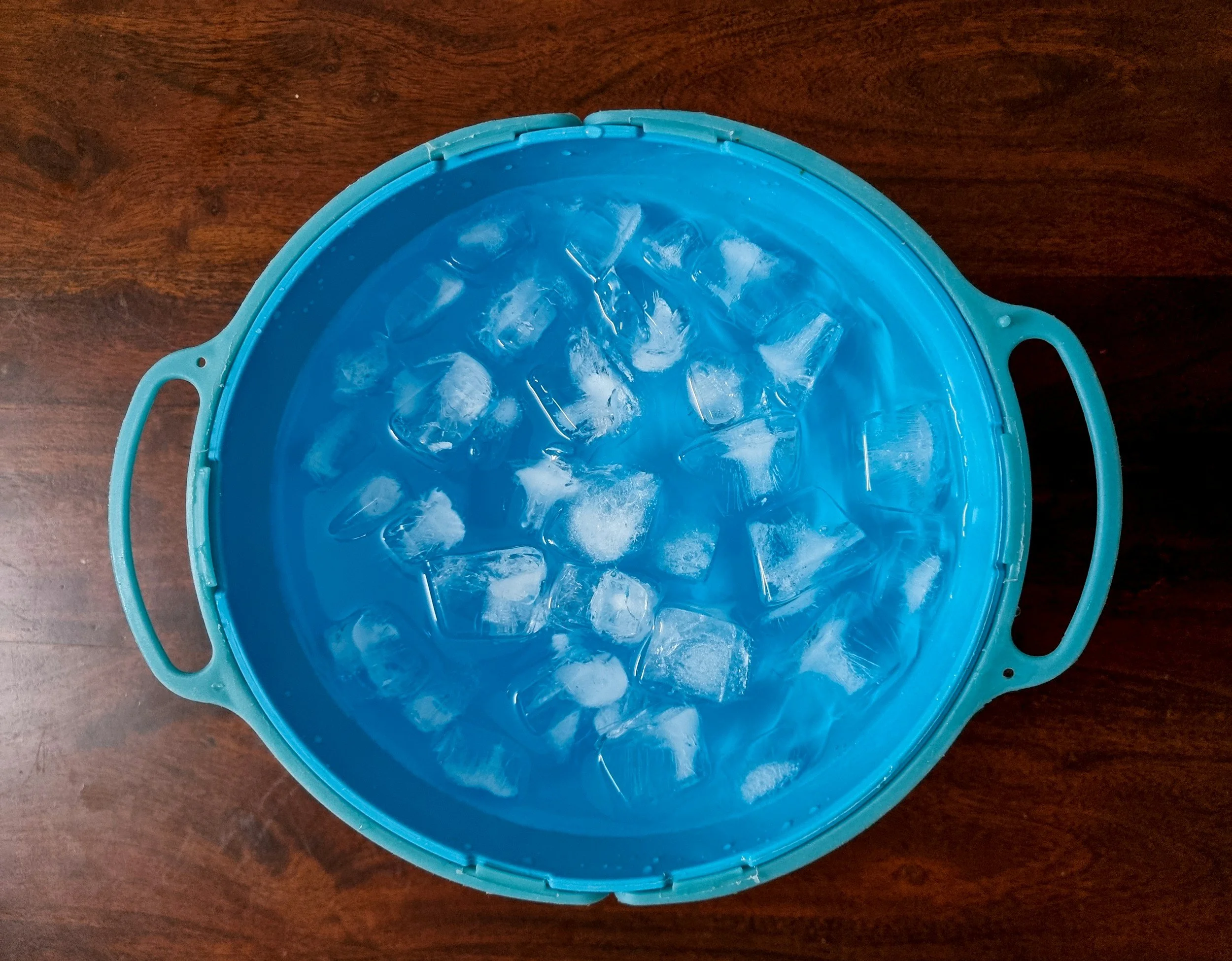
Ice Application: Applying ice to specific areas like the top lip, back of the neck, or holding it in the mouth can trigger the mammalian dive reflex, slowing heart rate and overriding panicky feelings.
Walking Barefoot in Nature (Grounding): Pressing feet firmly into the ground, especially in nature, is a grounding technique that helps anchor individuals in the present moment and activate the parasympathetic nervous system.
Getting Squeezed: A good hug, hugging a pillow, or using a weighted blanket can signal safety to the brain and calm the nervous system.
Cold Showers or Ice Packs: Exposure to cold can lower heart rate and shift the autonomic nervous system, providing anxiety relief.
Ear Massage: Gently applying pressure to the folds of the ear can be a self-soothing behavior.
Cognitive and Distraction-Based Strategies
Beyond physical techniques, engaging the mind in specific ways can also be highly effective:
Happiness Triggers (Glimmers): Intentionally seeking out small moments of joy, peace, or safety in immediate surroundings can counteract traditional anxiety triggers. This could be anything from a first sip of coffee to snuggling a pet.
A-Z Game: Listing things of a specific theme (e.g., car makes, animals, fruits) from A to Z quickly engages the prefrontal cortex, the rational part of the brain, diverting focus from anxious thoughts.
Bilateral Stimulation: Rhythmic stimulation of both brain hemispheres, such as alternating hand tapping or specific music, can clear the mind and promote calming hormones.
Visualizing Something Weird: Creating imaginative scenarios, like mentally pulling anxiety out of your head and watching it dissolve, or using analogies like a "bus terminal" for worries, can help reframe anxious thoughts.
Cleaning Up Your Space: Engaging in a tangible task like cleaning can provide a sense of accomplishment and reduce overwhelm, offering a distraction for a racing mind.
Creative Outlets: Engaging in art, writing, dance, or music can channel anxious energy constructively and provide non-verbal expression for emotions.
It is important to remember that coping with anxiety is a personal journey, and what works for one individual may not work for another. Experimenting with different techniques and building a personalized "coping toolkit" is key. While these unconventional methods can be highly effective, they are not a replacement for professional help if anxiety is persistent or overwhelming.